
Building strength for climbing goes beyond just finger power. A well-rounded routine can help improve grip strength, body tension, and core stability—all essential for scaling tougher routes. Here are some key exercises to include in your training:
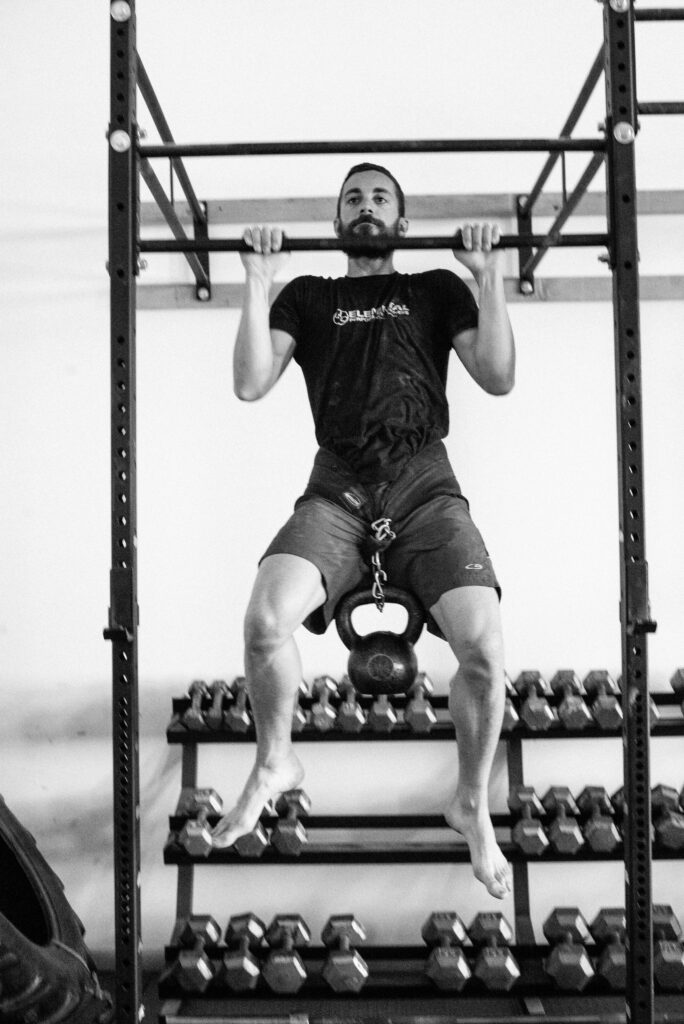
Pull-Ups and Lock-Offs: Pull-ups are a climber’s staple for building upper body strength, especially in the back and shoulders. To make them more climbing-specific, add lock-offs—pausing midway in your pull-up—to increase control and simulate holding yourself on the wall.
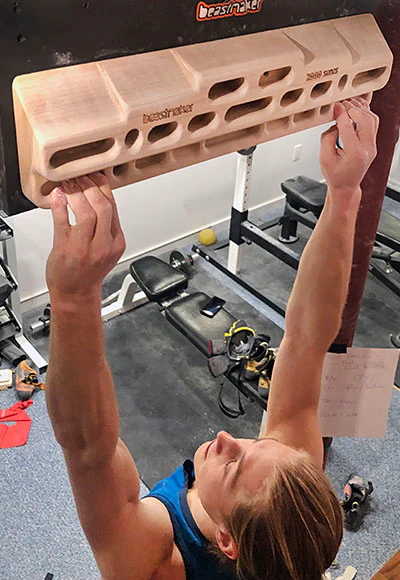
Fingerboard Training: Fingerboards (or hangboards) are excellent for improving grip strength and finger endurance. Start with short hangs on larger holds, then gradually work up to smaller edges as you get stronger. Be careful with this one; it’s intense, so it’s best for intermediate climbers or above.
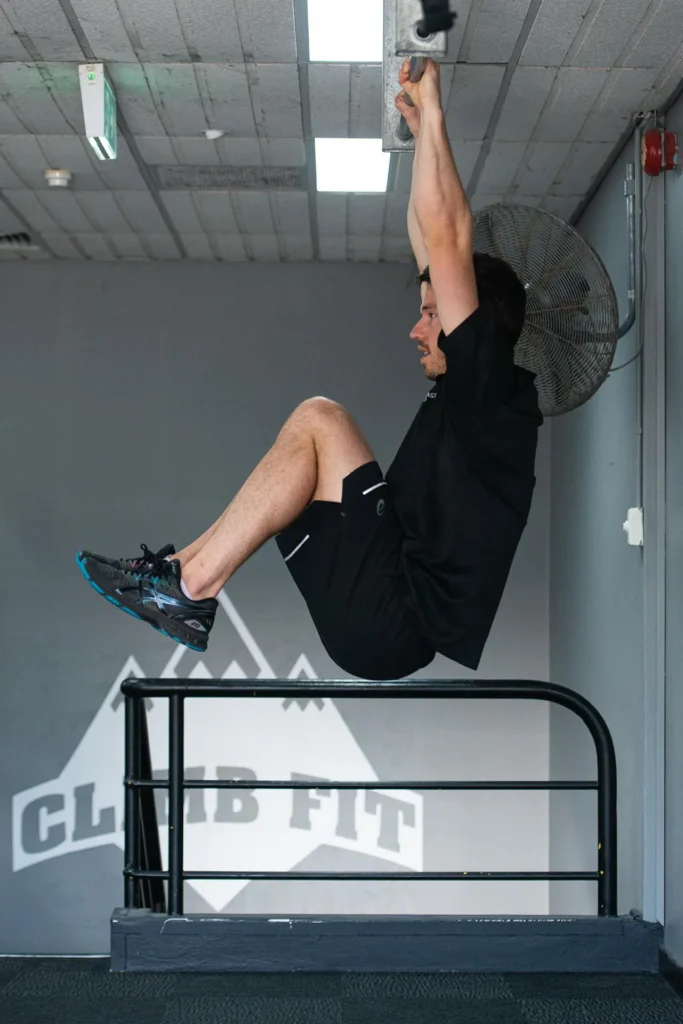
Core Exercises: Climbing requires strong core muscles for body control, especially on overhanging routes. Include exercises like planks, leg raises, and Russian twists in your routine. Practicing “hollow body” holds is also great for simulating the body tension needed while climbing.
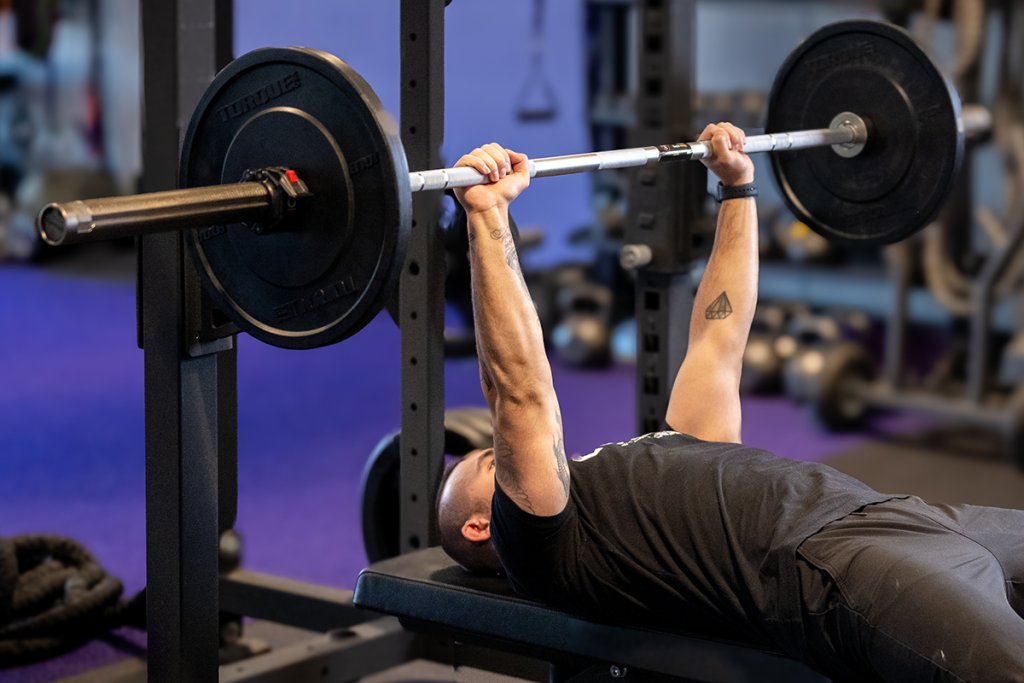
Push Exercises for Balance: Since climbing heavily engages pulling muscles, balancing your strength by working on pushing muscles can prevent injury. Incorporate push-ups and shoulder presses into your routine for stability and better overall muscle balance.
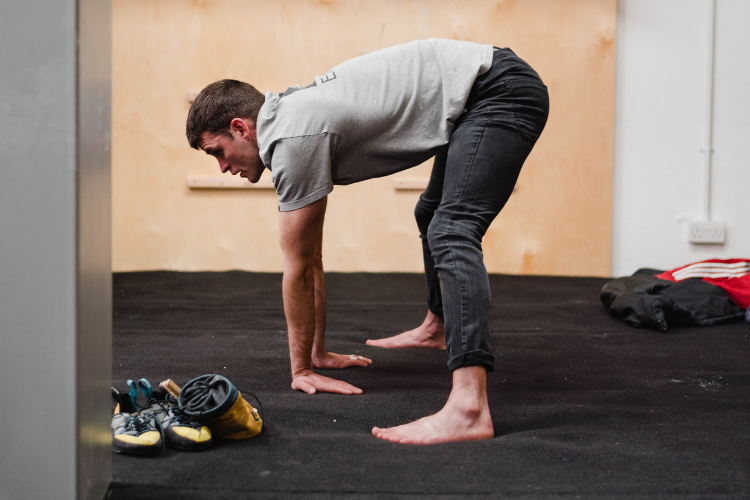
Mobility and Stretching: Flexibility and range of motion make a difference in reaching tough holds. Regular stretching and dynamic warm-ups improve hip and shoulder mobility, allowing for smoother movement and more reach on the wall.
Remember to start gradually and listen to your body, especially with fingerboard training and high-impact exercises. With a consistent strength routine, you’ll be able to tackle climbs that once felt impossible.
Text generated by ChatGPT.