
Learning different climbing techniques can make a huge difference in tackling challenging routes and improving your efficiency on the wall. Here are a few go-to techniques that every climber should have in their toolkit:
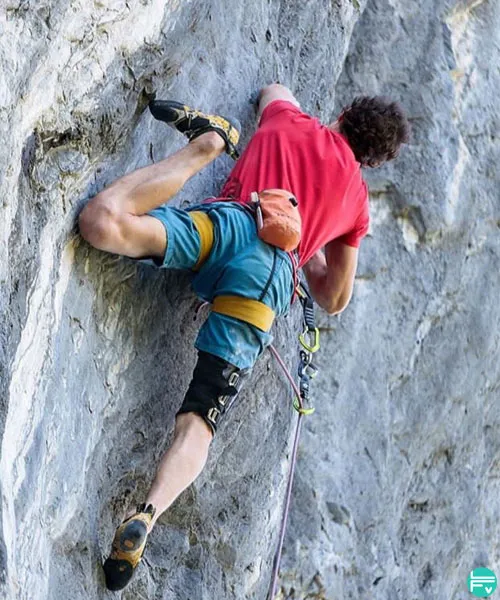
Drop Knee: This technique helps with body positioning on overhanging or slightly angled routes. To execute a drop knee, turn your hip toward the wall while dropping the inside knee down. This body twist can take pressure off your arms, letting you balance better on your legs and extend your reach.
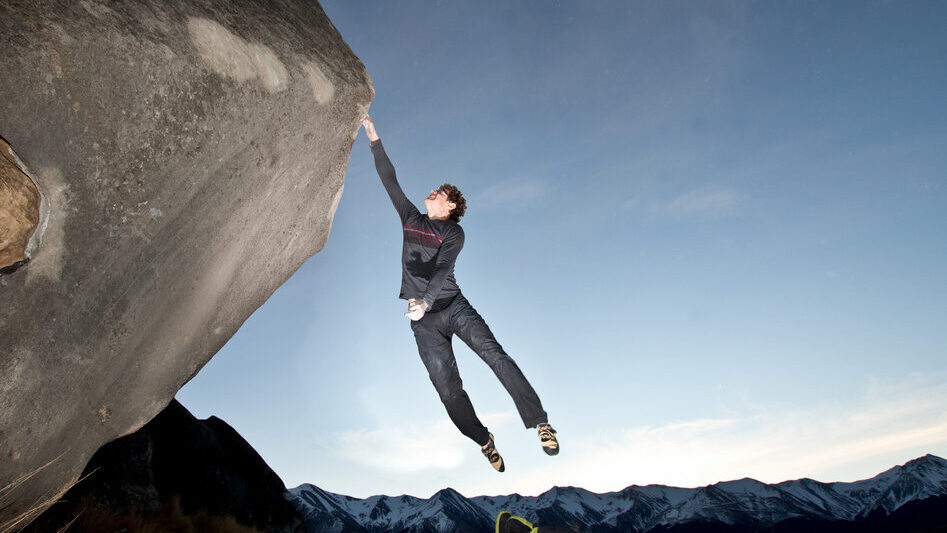
Dyno: Short for “dynamic movement,” a dyno involves leaping from one hold to another. This technique is all about momentum and commitment—you’ll momentarily let go of all holds to “jump” to your next target. Dynos require both strength and coordination, and they’re as thrilling to watch as they are to perform!
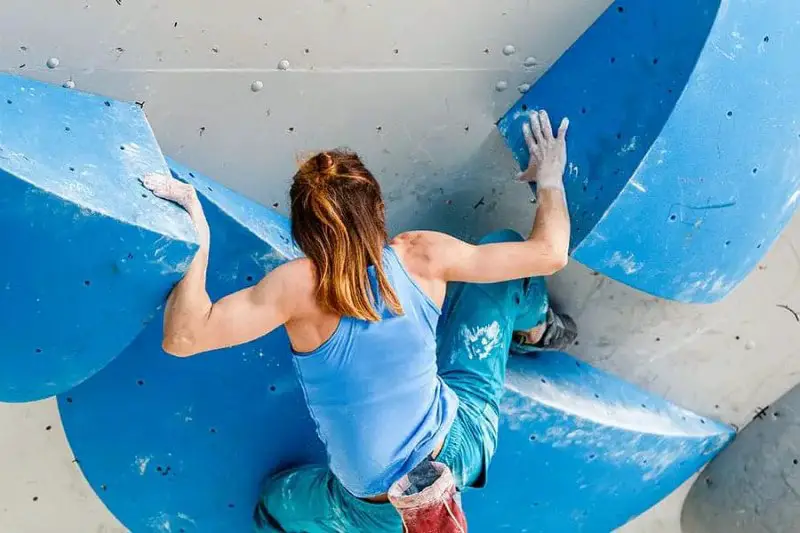
Gaston: The gaston is a powerful technique used for pulling holds that face outward. Imagine a door that opens away from you; you would push with your arm facing outward. Similarly, a gaston requires pushing outward with a bent elbow, usually when there aren’t any other options for reaching upward. It’s a demanding move but very useful on certain routes.
Heel Hook: By placing your heel on a hold and pulling with your leg, you can relieve arm strain and keep your body closer to the wall. Heel hooks work especially well for overhangs, as they add extra stability and leverage, allowing you to reach higher holds with ease.
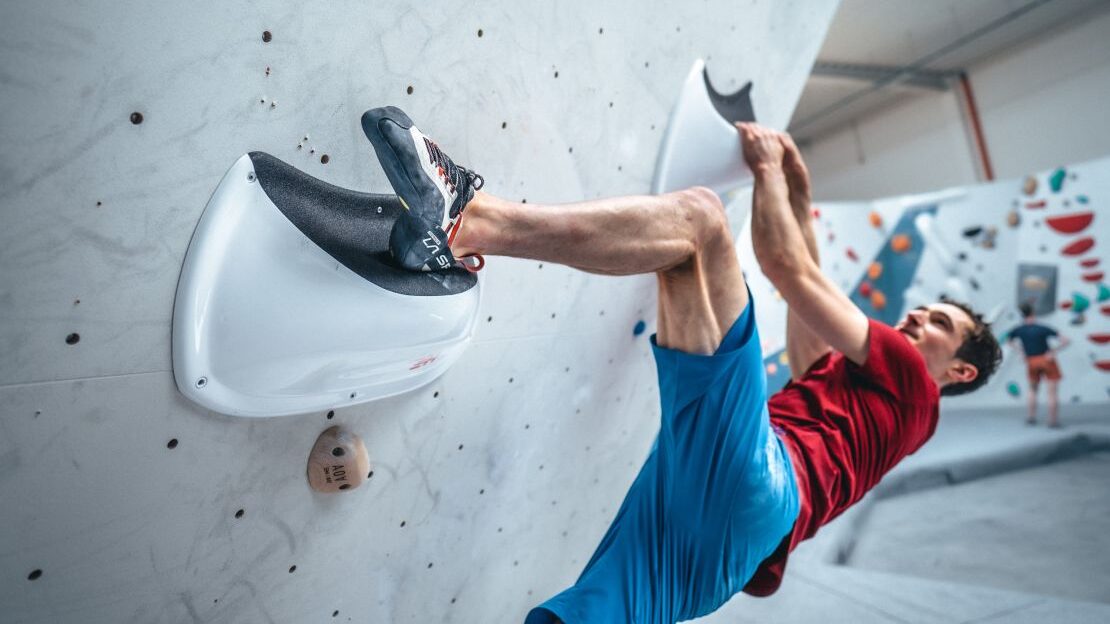
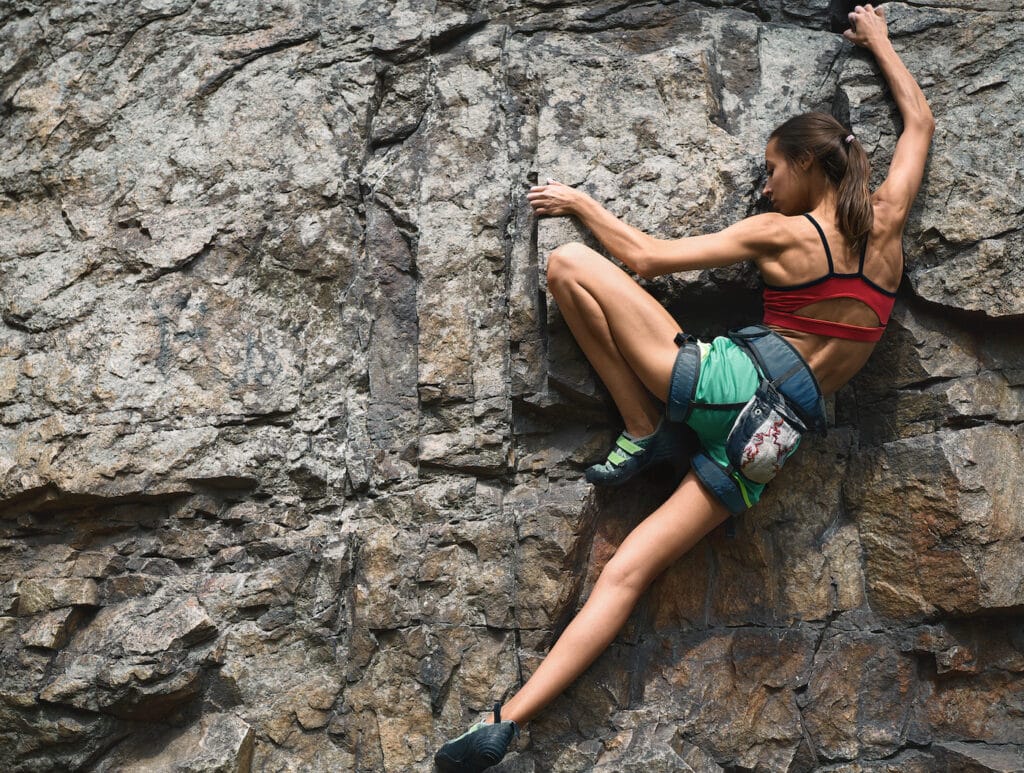
Flagging: Flagging is used to balance your body on the wall, especially on steep terrain or when holds are far apart. To flag, you extend a leg outward without touching it to the wall, counterbalancing your weight and preventing a barn-door swing effect. It’s a subtle but effective trick to keep you stable.
Each of these techniques brings a unique skill set to your climbing, helping you tackle different kinds of holds and moves with greater efficiency. Practice them consistently, and you’ll notice a big difference in your climbing flow!
Text generated by ChatGPT.